



Inside the Post-Midterm Political Landscape: Key Takeaways from the Latest 60 Minutes Interview
The political fallout from a seismic midterm election is still reverberating across Washington, and the landscape of American governance has fundamentally shifted. Following a sweeping victory by Democrats who flipped control of both the House and the Senate, the national conversation turned sharply toward accountability, strategy, and the road ahead.
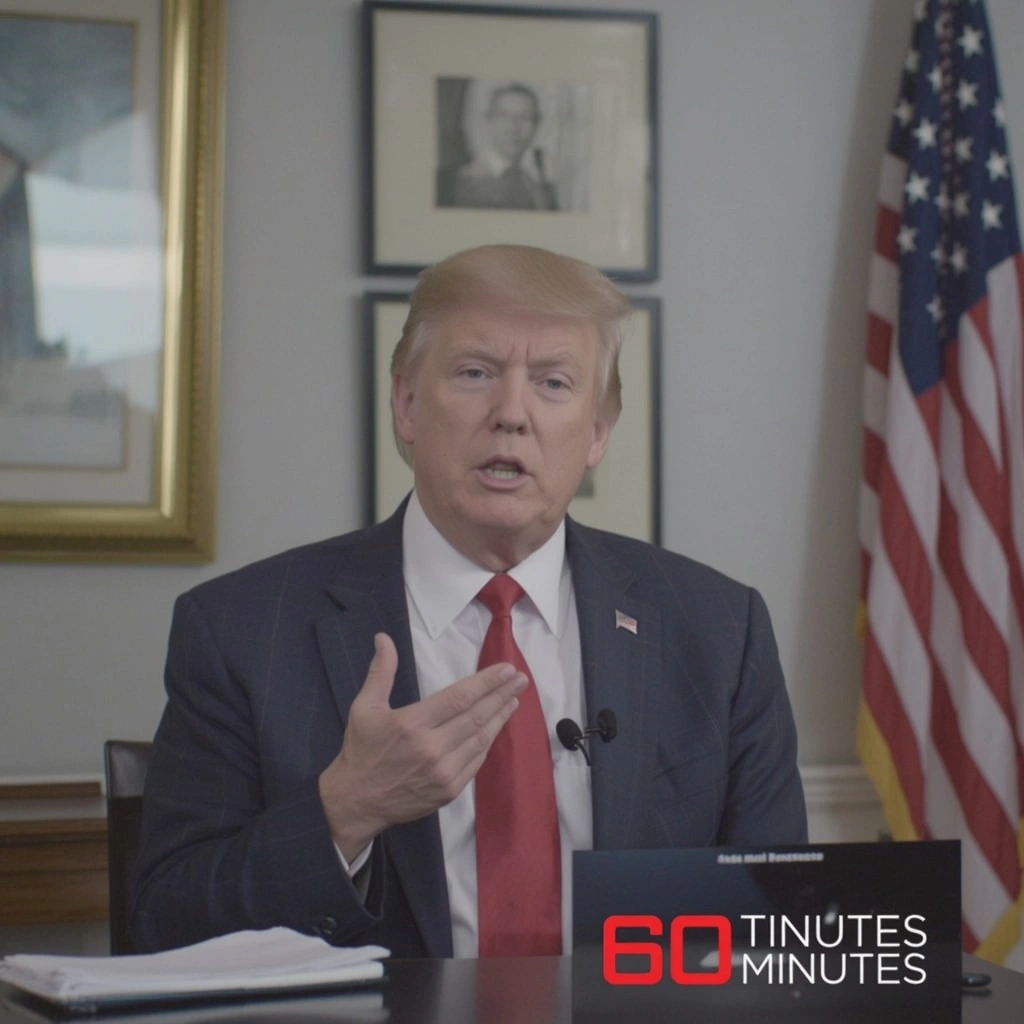
In a high-stakes, exclusive sit-down interview that aired on 60 Minutes, President Donald Trump faced tough questions from correspondent Ross Douthat at the White House. Marking his first major, extended post-election interview, the segment offered an unfiltered look at how the administration is interpreting massive congressional losses, ongoing foreign conflicts, and the looming reality of a divided, opposition-led Capitol Hill.
1. Analyzing the Midterm Shocker: Messaging vs. Reality
The central theme of the interview tackled the historic midterm defeat that saw Democrats capture more than 40 House seats and crucial ground in the Senate. When pressed to give a political autopsy of what went wrong for the Republican party, the president pointed squarely away from his own leadership, emphasizing that he was not personally on the ballot.
Instead, the administration framed the historic losses as a failure of communication rather than a rejection of core policies. Pointing to robust economic data and newly released job numbers that outpaced expectations, the argument was made that the White House simply “couldn’t get the word across” to an electorate anxious about the cost of living and geopolitical tensions.
Yet, critics and independent analysts point out that voters delivered a stinging referendum on the administration’s aggressive domestic agenda. With Democrats poised to take control of congressional committees, the balance of power has completely inverted, setting the stage for aggressive oversight, budget battles, and high-profile subpoenas that will define the next two years.
2. A Shift in Tone on Immigration and Border Enforcement
One of the most revealing moments of the 60 Minutes exchange centered on immigration—a cornerstone of the administration’s platform. While defending the hardline enforcement measures and mass deportation efforts of the past year—claiming credit for dramatically reducing illegal crossings—the president acknowledged a complex political reality.
When questioned about whether the intense crackdown ultimately hurt the party at the polls, the response acknowledged a dual-edged sword: the policies both energized the base and proved to be politically abrasive for moderate voters, conceding that aspects of the implementation were perceived as “too tough”.
Looking ahead to a legislative branch controlled by the opposition, a surprising openness was expressed toward working with Democrats on immigration reform. Whether this signals a genuine legislative compromise or merely rhetorical maneuvering ahead of divided government remains one of the most pressing questions in capital politics.
3. Foreign Policy, Iran, and the Cost of Global Conflicts
Geopolitics dominated a significant portion of the discussion, particularly regarding ongoing military engagements and the war with Iran. Defending the administration’s military decisions—including past strikes aimed at dismantling nuclear infrastructure—the president insisted that these actions were vital for long-term stability and the defense of key allies like Israel.
Despite criticism that foreign interventions have escalated regional instability, the stance remained defiant. The administration maintained that future foreign policy will be transactional, insisting that protected nations must fully repay the financial and military costs incurred by the United States. On the war in Ukraine, confidence was expressed that a swift resolution could be brokered, though skepticism remains high among foreign policy experts regarding the viability of a lasting peace agreement under current terms.
4. Unforgiving Politics and Potential White House Shakeups
Perhaps the most culturally resonant and widely discussed moment of the broadcast came down to personal philosophy and theology. When Ross Douthat asked whether the president could ever forgive his political enemies—posing a hypothetical scenario about eternal salvation—the response was characteristically unyielding.
“I do hate some of my enemies, and I always will,” the president stated plainly, dismissing the idea of offering grace to political rivals or investigators whom he deemed “extremely dishonest people”. When pressed on whether he would compromise his stance for spiritual paradise, he doubled down: “Well, then I wouldn’t be real, would I?… The answer is no.”
On a practical administration level, the midterm defeat is already prompting internal restructuring. Admitting that “you have to make moves” after a historic legislative setback, the president confirmed that administrative changes and cabinet shakeups are expected in the coming weeks. As executive departments face heightened political scrutiny from a newly empowered Congress, these impending departures signal an administration trying to recalibrate its defensive posture.
Looking Ahead: The Battle for the Narrative
Sunday night’s broadcast of 60 Minutes captured a pivotal inflection point in contemporary American politics. The illusion of unchecked executive momentum has been shattered by the ballot box, replaced by the gritty reality of divided government, legislative gridlock, and fierce oversight.
For the White House, the immediate challenge is twofold: managing an internal realignment of personnel while trying to reframe an economy that voters viewed with deep skepticism. For the newly empowered Democratic majority in Congress, the victory brings the heavy burden of expectation—shifting quickly from opposition party status to active governance and investigation. As the nation digests these developments, one thing is certain: the political battles fought on television screens and campaign trails are about to move directly into the halls of Congress with unprecedented intensity.